2025/26
Each year, this report gives us an opportunity to reflect on the progress we’ve made, but also to look ahead. This year, we’ve taken a step back to consider what the next phase of sustainability looks like for Primark. Geopolitical instability has impacted supply chains, and the significance of sustainability for some businesses. We, however, do not believe it should become an excuse to retreat. Circumstances may change. Our values do not.
Businesses do need to evolve. Sustainability has for too long been framed through commitments and targets. Those are important but a long list of commitments is not a strategy. The focus has to move beyond distant immeasurable promises to real impact today, while supporting long-term business resilience.
For Primark, this means two guiding principles: sustainability will be core to how we do business, and we will focus on where we can have the greatest impact. It will continue to be built into how we design, source, operate and grow, supported by colleagues and partners. Done well, it will help us produce great quality products, strengthen our supply chain, manage risk and create long-term advantage for Primark, all while reducing our impact over time.
Another year of progress
We’re far from the beginning. Sustainability and ethics are already deeply embedded in Primark.
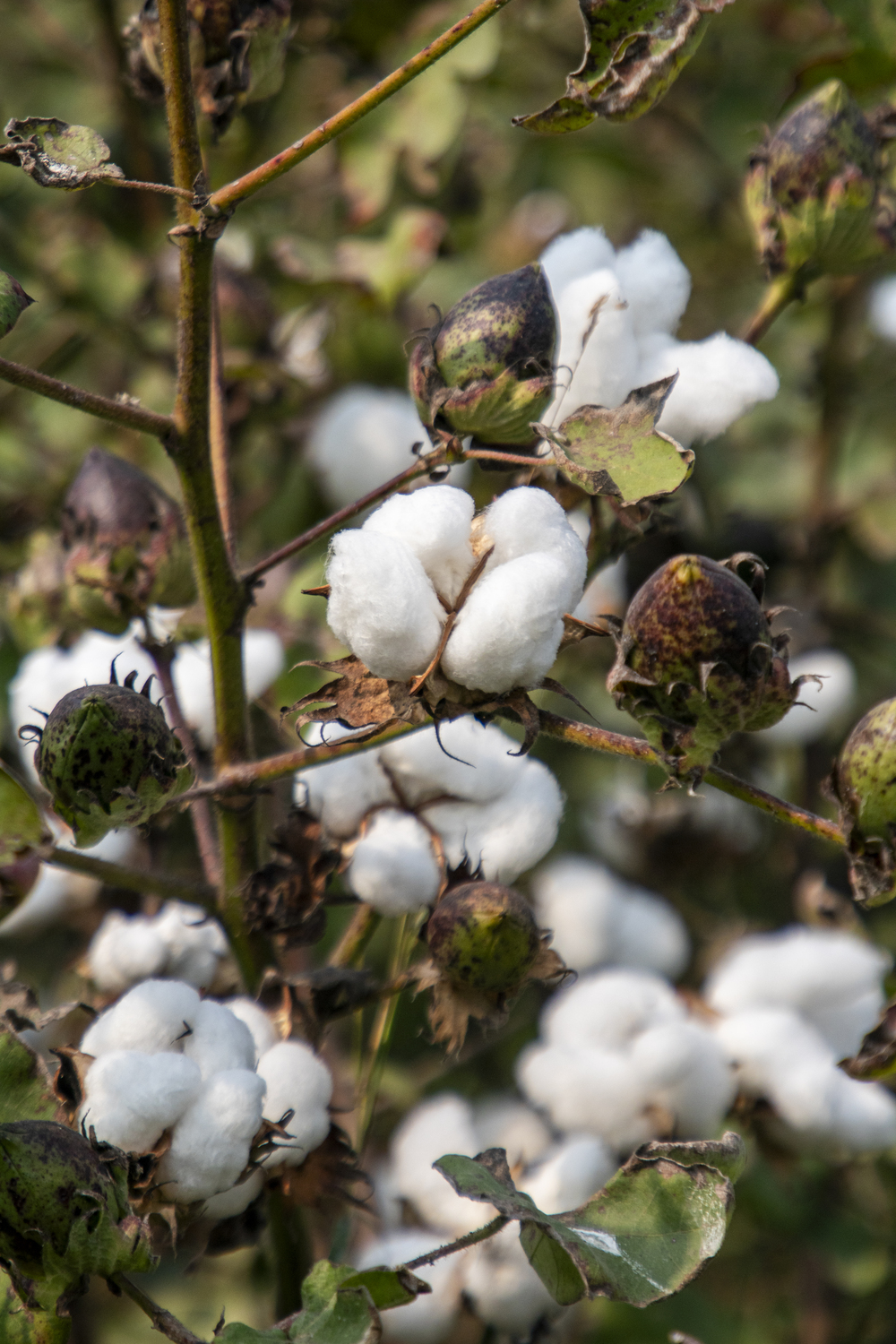
In this last year, 21% of all jersey products and 15% of our denim1 products sold were circular by design2, showing it can be both affordable and at scale. 81%Δ of our clothes sold were made using recycled or more sustainably sourced materials3.
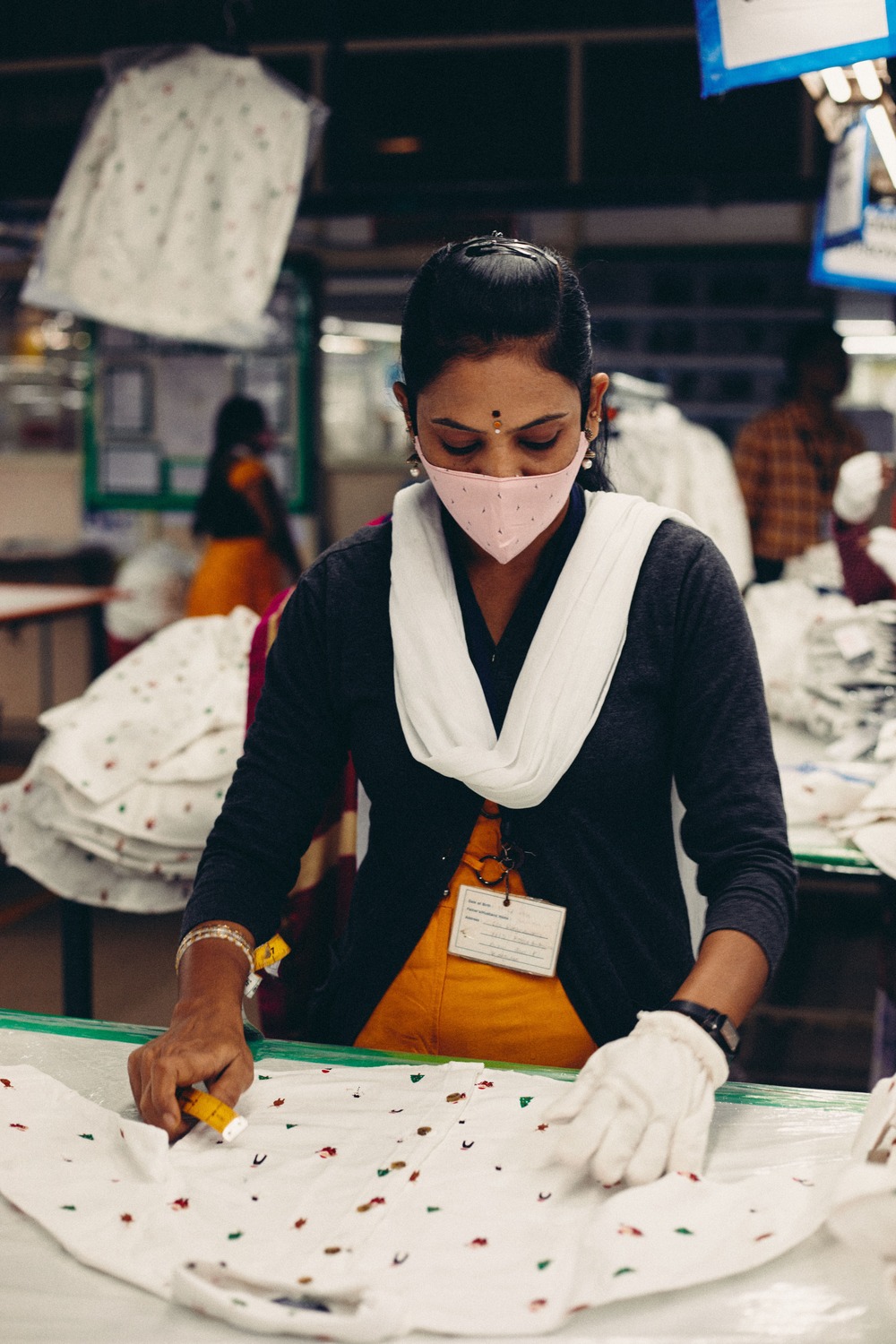
There must be transparency and trust in how our clothes are made. Our supply chain social audits form the basis of this we carried out over 2,3004 social audits in our tier one suppliers' factories this year – and we continue to invest in programmes to support workers in our supply chain.
It’s clear to see that retail customer expectations have evolved and innovation in textile waste technology is finally beginning to look scalable. Our partnership with Circ will see the introduction of recycled polyester made from textile waste into Primark clothing for the first time.
Making deliberate choices
I said in this report last year that we were reviewing our Primark Cares sustainability strategy. We’ve spent the last 12 months doing both some soul searching and detailed planning on this.
This year, Primark passed the 500-store mark. As we prepare to become a standalone company, we’re entering a more ambitious phase of growth, entering new markets, and expanding our online capabilities. For many, growth and sustainability are opposing ideas. However, we see our scale as an opportunity, as it increases our ability to drive change for better.
So for me, the question is not if sustainability can sit alongside growth but how do we build sustainability into the way we grow. That means being disciplined about where we invest, why and what each investment will deliver.
As we reviewed our approach in detail over the past year, we’ve looked hard at what Primark Cares has achieved, what we have learned, in addition to where Primark has the strongest foundations and greatest ability to influence outcomes.
An evolving strategy
With a clear focus on where we can have the greatest impact, the next phase of Primark Cares will accelerate progress across three key areas:
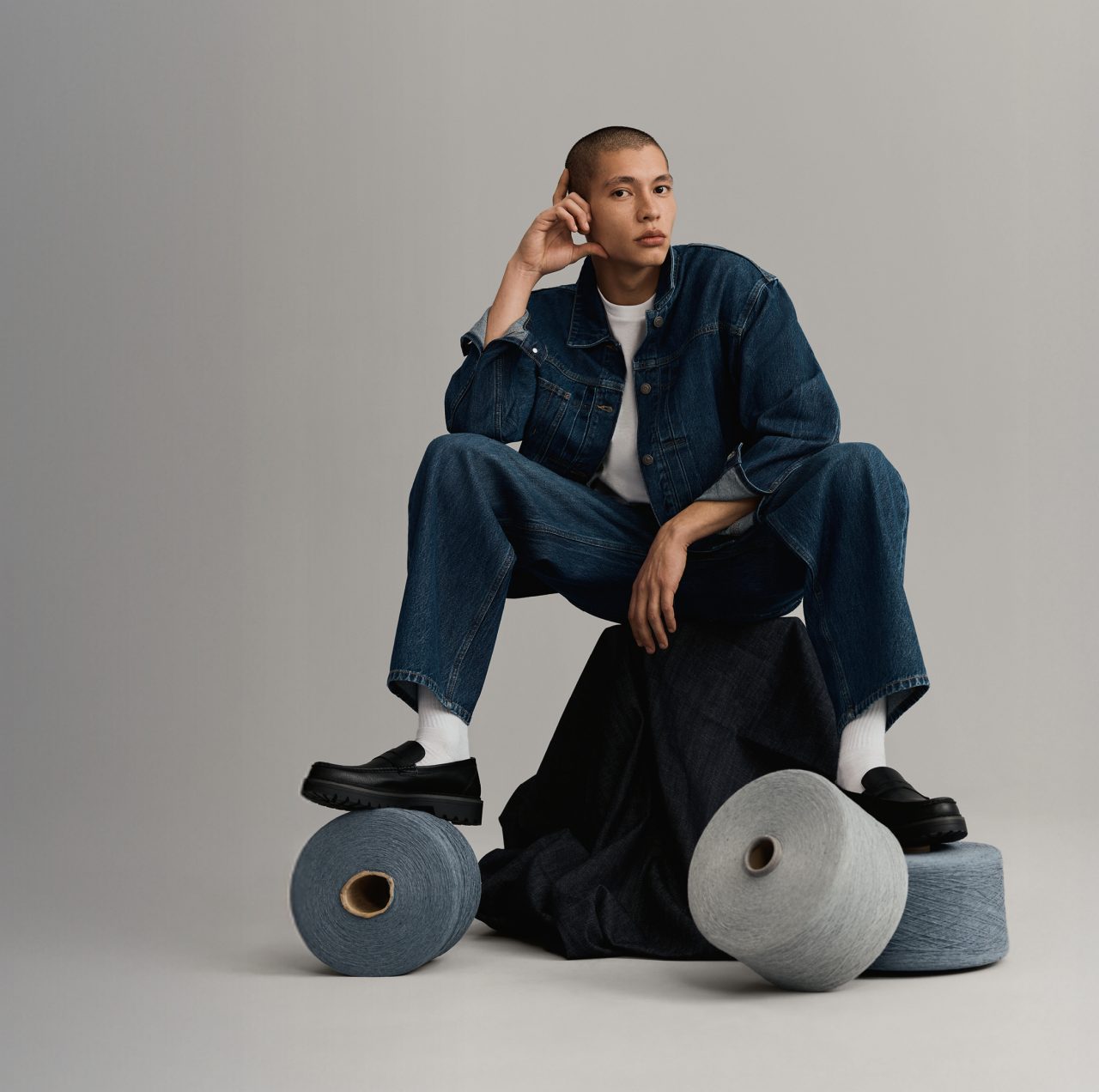
- Reducing textile waste and keeping clothes in use for longer
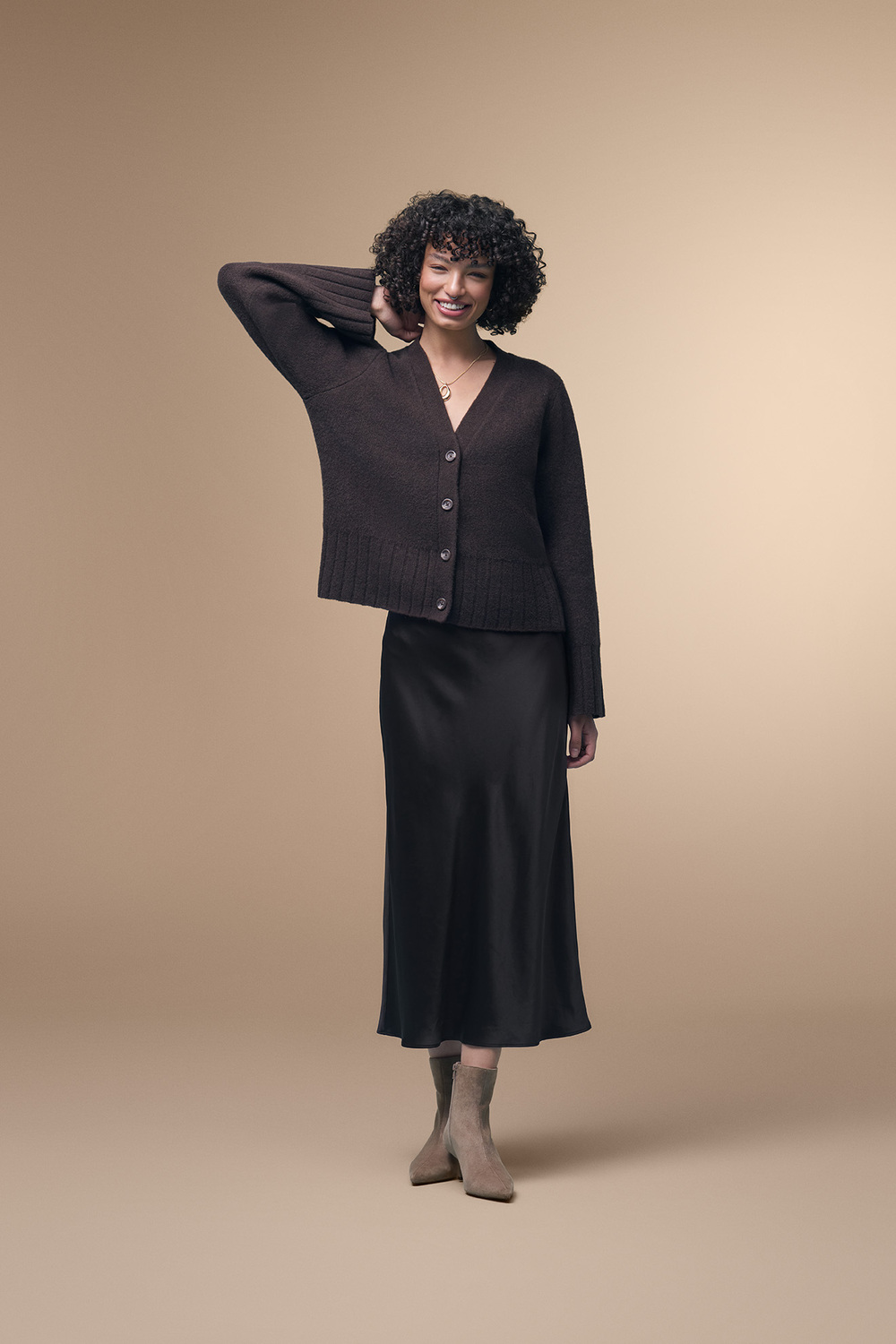
We will increase our focus on circular design, fibre innovation and finding better ways to use textile waste created across our supply chain. Our aim is clear: to continue offering great value fashion while reducing textile waste and helping Primark clothes stay in use for longer. - Building a stronger, more adaptable and responsible supply chain
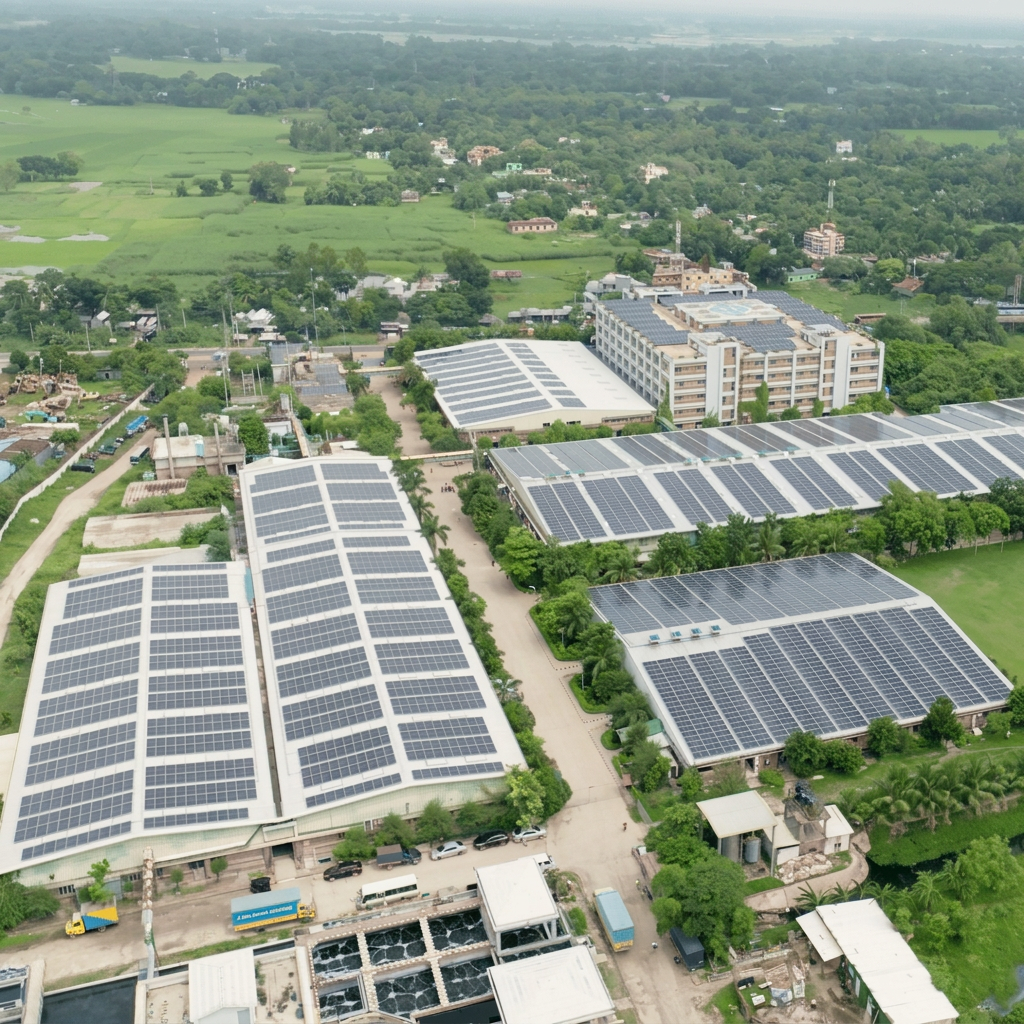
As Primark grows, our supply chain must continue to grow responsibly with us. We will strengthen how we select, evaluate and work with our supply chain partners, building long-term relationships with those who share our values and can support a more responsible, transparent and resilient ways of doing business. - Creating more opportunities for women across our value chain
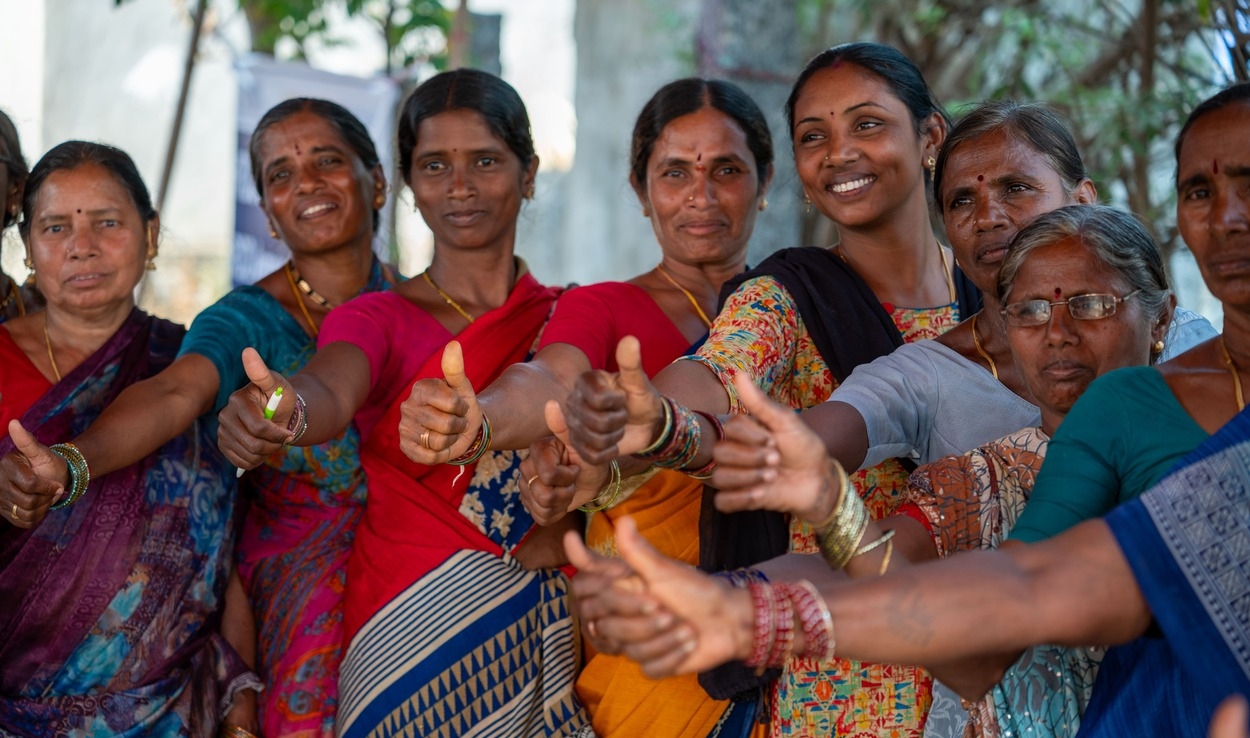
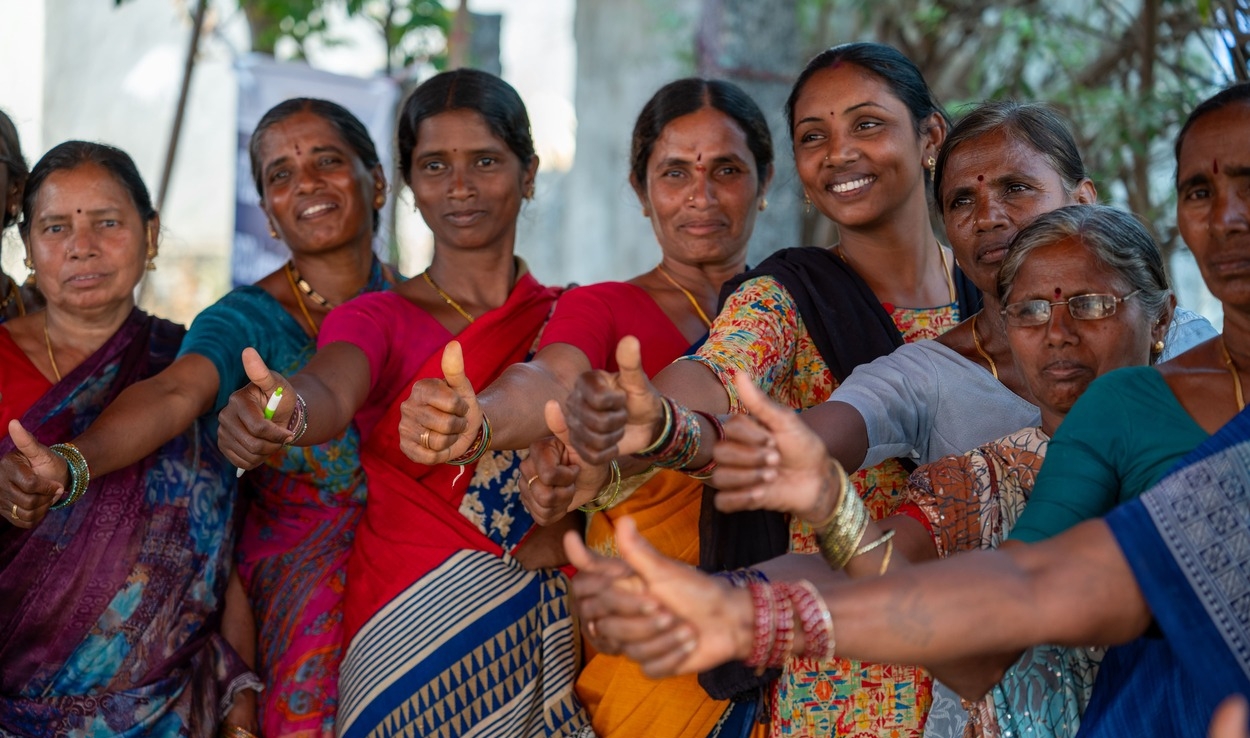
Primark is a business built around, and for, women. The majority of our customers and colleagues are women, as are many of the people working across our global supply chain. We will bring together our product initiatives, supply-chain programmes and charity partnerships in a more joined-up, data-led approach focused on meaningful and measurable outcomes for women.
This is about focus and delivery. These are the principles we apply to the commercial and operational parts of our business. So, they should apply to sustainability.
As Primark grows, so does our impact and responsibility to act, along with our ability to drive change. The next phase of sustainability will be about making focused choices, backing them, and using our scale where it matters most.
We will continue to report transparently on the progress we make. I look forward to sharing our updated Primark Cares strategy in full next year.
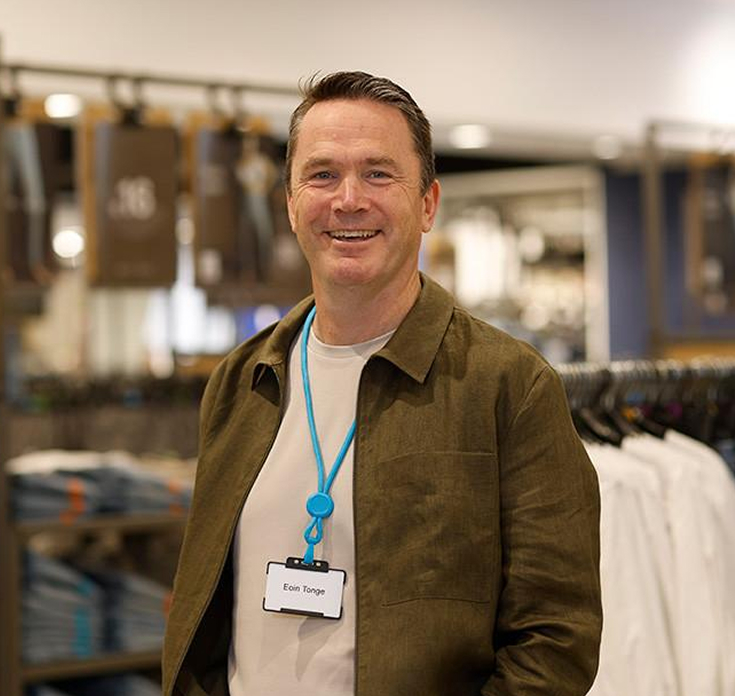
Eoin Tonge
Primark CEO
1 This metric includes products containing cotton from the Primark Cotton Project, recycled cotton and Cotton made in Africa® (CmiA). See Primark preferred sources. As per the foundational criteria of Circular Product Standard 1.0.
2 Inspired by the Ellen MacArthur Foundation vision of a circular economy for fashion, Primark's Circular Product Standard sets out the criteria products must meet to be considered circular by design, including requirements relating to durability, materials and recyclability.
3 This metric includes products containing recycled polyester, recycled polyamide/nylon, recycled acrylic, recycled cotton, cotton from the Primark Cotton Project, Cotton made in Africa® (CmiA), organic cotton, viscose, modal and lyocell. See Primark preferred sources.
4 During calendar year 2025.
Our priority areas
Primark is evolving its approach to sustainability and ethics, exploring three connected areas where its actions can have the greatest impact.
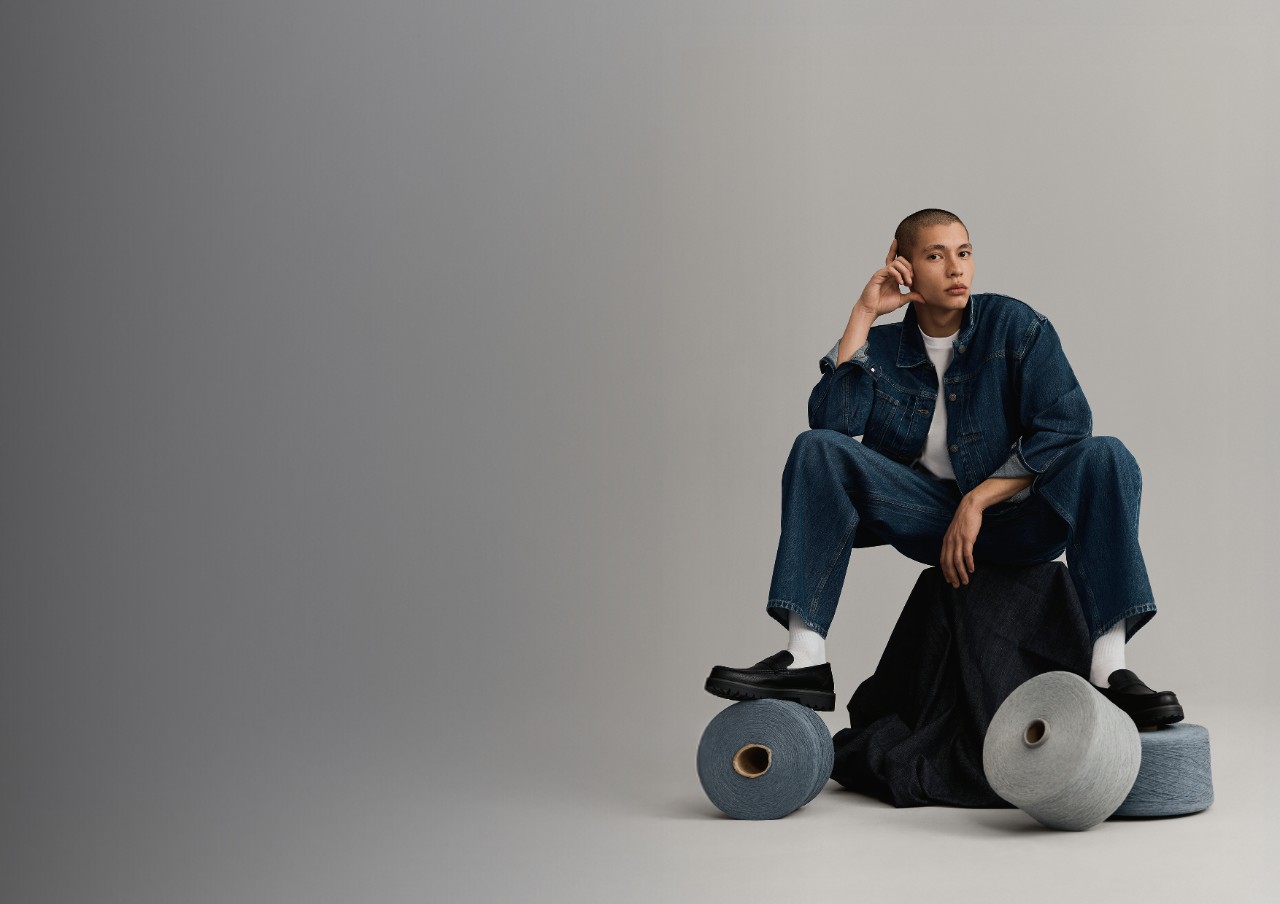
Reducing textile waste and keeping clothes in use for longer
Building stronger, more adaptable and responsible supply chains
Creating opportunities for women across our value chain