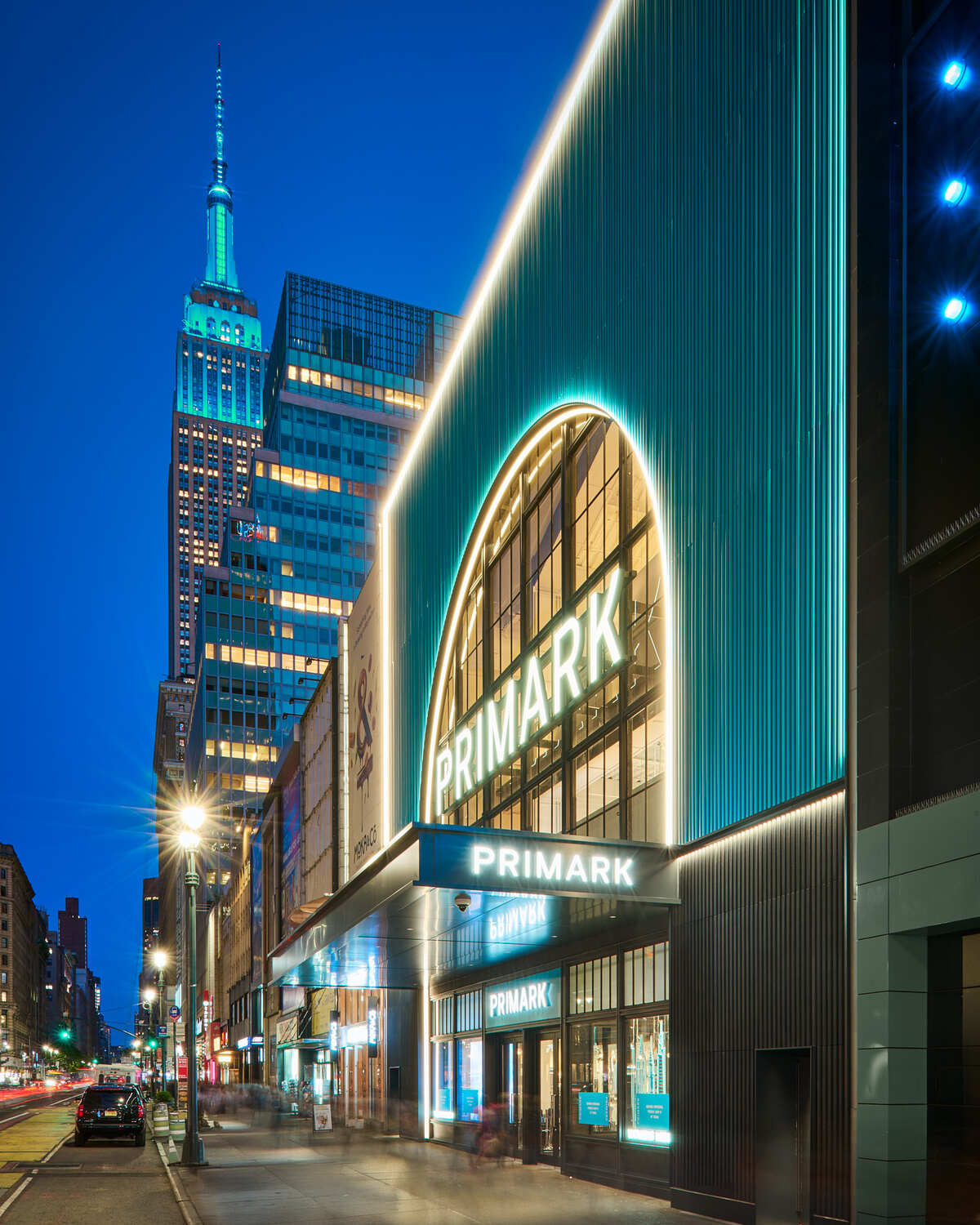
Primark was founded on a mission that everyone deserves to look and feel good, without paying more. We stand for great value without compromise, offering affordable fashion and everyday essentials that are made to be worn and loved for longer.

Founded in Ireland in 1969, Primark is now an international fashion retailer operating across 21 countries in Europe, the US and the Middle East, employing more than 81,000 colleagues. Primark is built on a belief and passion for physical stores – helping to bring high streets and retail centres to life and creating joyful, social experiences.


At a Glance


1969

Founded in Ireland

211

Operating markets

5182

Stores

81,3583

Colleagues

£9,820m

2025/26 revenue

£1,005m

2025/26 Adjusted operating profit

15

Sourcing countries

2,322Δ4

Number of ethical trade social audits

Δ

Metrics independently assured by Ernst & Young (EY) against the International Federation of Accountants’ International Standard on Assurance Engagements Other than Audits or Reviews of Historical Financial Information – known as ISAE 3000 (Revised). These are highlighted in this report with the symbol Δ.


1 The number of markets in operation as at ABF’s financial year end of 12 September 2026 was 19Δ. Primark expanded to Bahrain and Qatar in September and October respectively.
2 As of 26 November 2026, includes franchises.
3 As at ABF's financial year end of 12 September 2026.
4 As of 31 December 2025.
 

PRIMARK LOGO


pageteaser

Our commitment to responsible sourcing

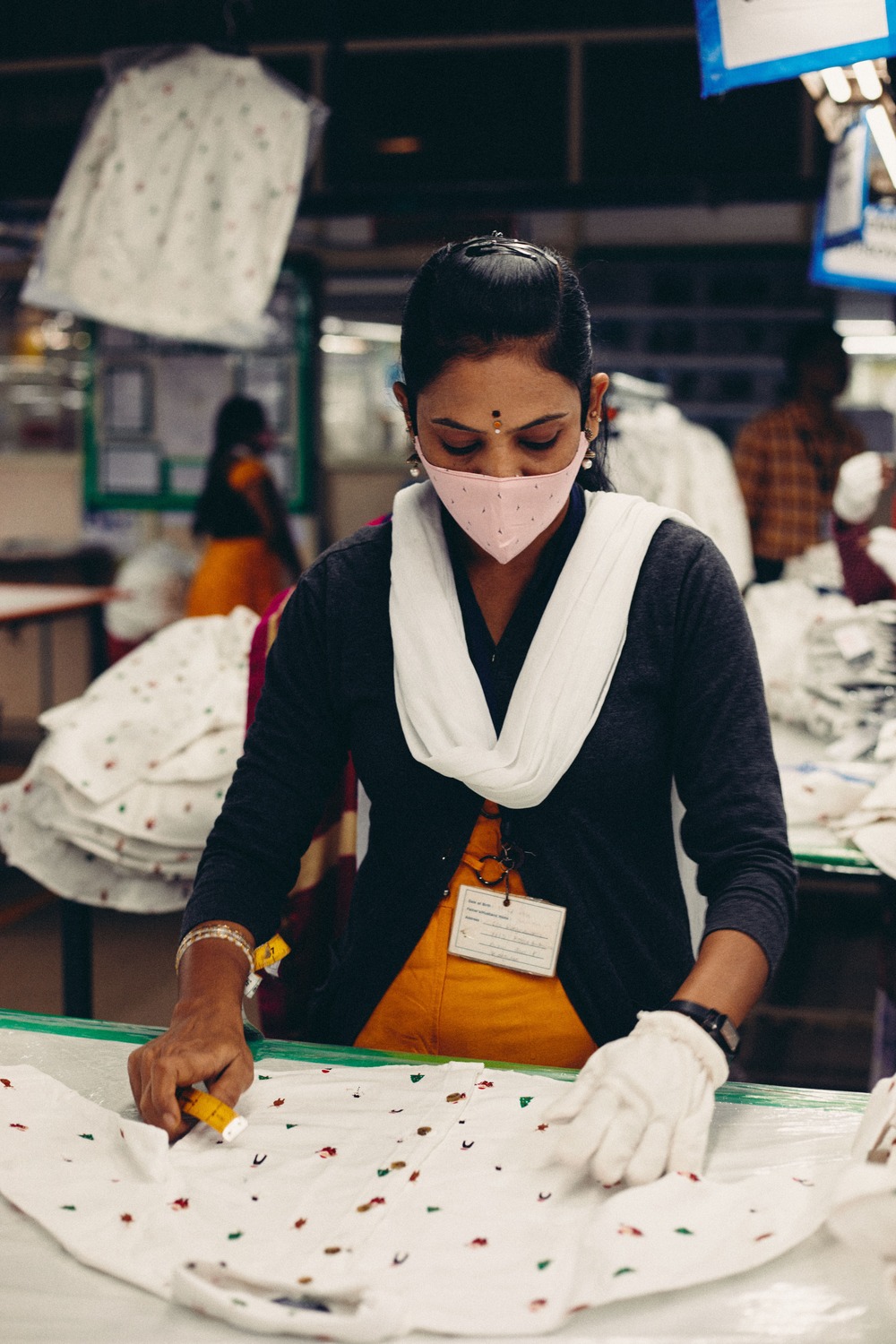
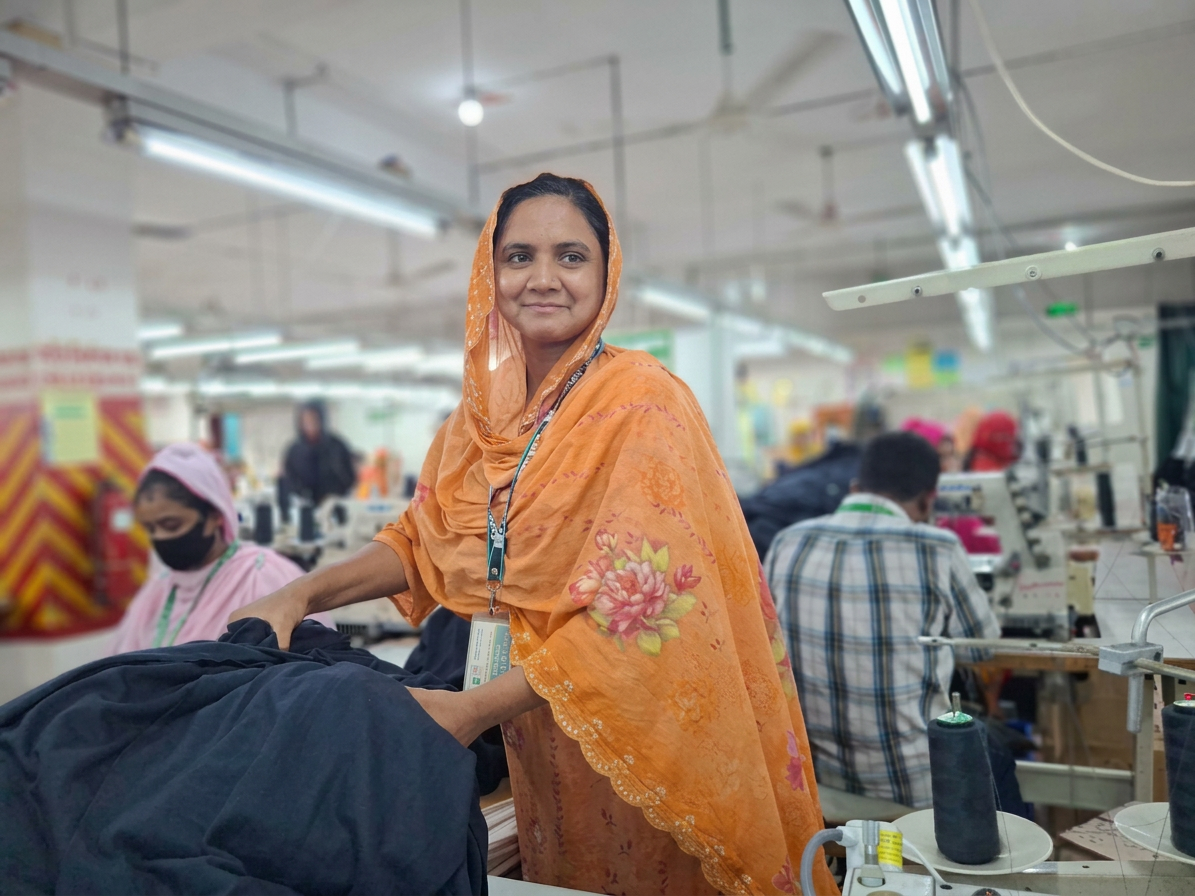
We have a longstanding commitment to support decent work and responsible business practices in our supply chain.

This is set out in our Supply Chain Human Rights Policy which is underpinned by the United Nations Guiding Principles on Business and Human Rights (UNGPs). Our Supplier Code of Conduct translates our human rights commitments into the expectations we have of our suppliers.

All the tier one factories approved to make our products are audited at least once a year against our Supplier Code of Conduct. It includes our requirements on labour rights including health and safety, freedom of association, discrimination and child and forced labour. New factories must pass one of our audits before orders are placed.

We take a risk-based, worker-centric approach to human rights due diligence, drawing on multiple information sources to identify priorities and manage risk across our supply chain. These include desk-based research, social audits, direct engagement with workers and their representatives, and participation in local and international forums. This approach includes several types of engagement such as:

  • Country risk assessments
  • Stakeholder and supplier engagement
  • Rights holder consultation and worker engagement
  • Safe buildings for workers


Grievance mechanisms

We believe grievance mechanisms are fundamental to supporting decent workplaces by providing workers with a way to raise concerns and seek remedy.

As part of our Supplier Code of Conduct, our suppliers are expected to have an effective grievance process in place. We have our own grievance mechanism, Tell Us, which is available for any worker or stakeholder in our supply chain. We support industry-wide mechanisms in some of our sourcing regions.